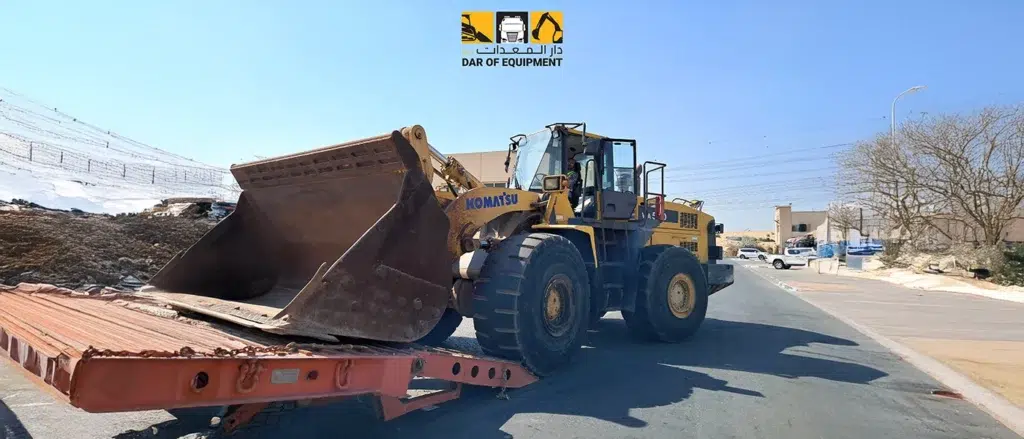
“We just need a loader” is how a lot of equipment purchases start – and it’s also how a lot of businesses end up with a machine that’s either working too hard or barely working at all. Choosing the right used loader isn’t about finding the biggest or cheapest option on the lot. It’s about matching capacity, application, and budget so the machine actually earns its keep.
Here’s a practical framework for getting that decision right.
Step 1: Define the job, not just the industry
“Construction” or “landscaping” isn’t specific enough to size a loader properly. What matters is the actual task:
- Are you moving loose material (sand, gravel, soil) or handling pallets and heavier loads?
- What’s the typical bucket load per cycle?
- Is the work mostly on flat, stable ground or uneven terrain?
- How many hours a day will the loader realistically run?
A loader sized for occasional yard work will wear out fast under continuous heavy-duty use, and an oversized loader for light material handling is an expensive way to waste fuel and manoeuvrability.
Step 2: Match operating capacity to your actual loads
This is where most buyers either overspend or under-buy. Operating capacity, how much a loader can safely lift and carry, should be based on your heaviest regular load, not your average one.
| Business type | Typical need | Common mismatch |
| Small landscaping/yard | Compact loader, moderate bucket capacity | Buying a machine too large to manoeuvre on site |
| General construction | Mid-size loader, higher lift capacity | Under-buying to save on upfront cost |
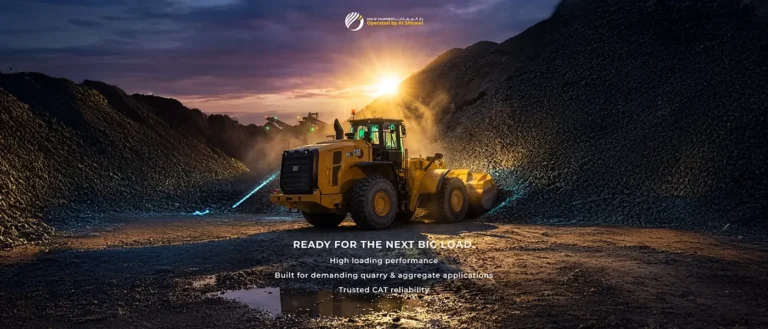
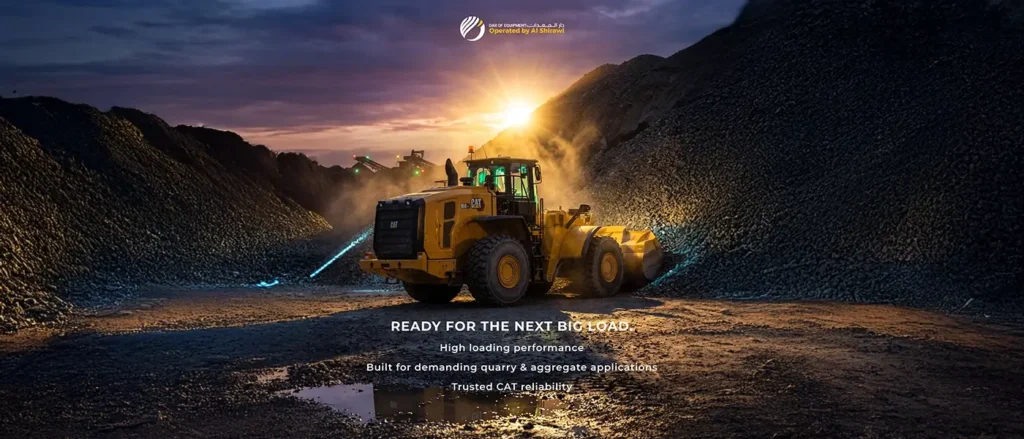
| Quarry or bulk material handling | Larger wheel loader, high bucket capacity | Choosing based on price rather than duty cycle |
If you’re regularly running close to a loader’s rated capacity, you’re accelerating wear on the transmission, hydraulics, and tyres. Sizing up slightly is often cheaper long-term than constant strain on an undersized machine.
Step 3: Decide between wheel loader configurations
Not all used wheel loaders for sale are built the same way. Bucket size, articulation, and attachment compatibility all affect how well a loader suits your specific work.
- Bucket size should match your typical material volume per load, not the largest bucket available.
- Articulated steering improves manoeuvrability in tighter sites, which matters more for yards and smaller construction sites than open quarry work.
- Attachment compatibility (forks, grapples, sweepers) adds flexibility if your business needs more than straight loading work.
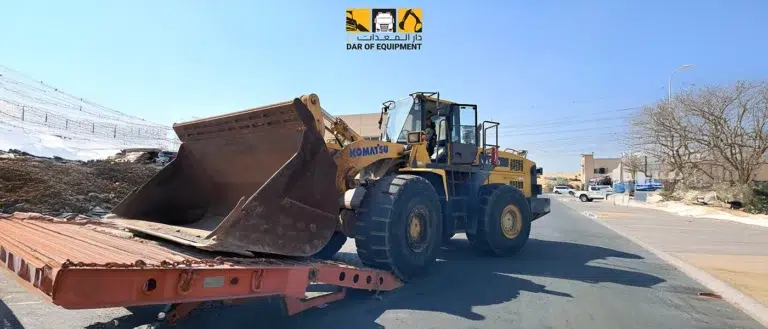
Brand also plays a role here. A second hand wheel loader from a well-established manufacturer, such as a Komatsu loader for sale with solid service history, tends to have better parts availability and resale value than lesser-known brands – worth factoring in even if the upfront price is slightly higher.
Step 4: Check hours against condition, not just age
A five-year-old loader with light use can be in better condition than a two-year-old machine that’s been run hard. Ask for:
- Verified operating hours
- Undercarriage and tyre wear (a major cost centre on loaders)
- Hydraulic system performance under load
- Engine condition and any history of major repairs
Step 5: Factor in total cost of ownership, not just purchase price
A cheaper loader with worn tyres, an aging undercarriage, or overdue maintenance can cost more within the first year than a slightly pricier, well-maintained alternative. Before buying, estimate:
- Likely near-term maintenance (tyres, filters, hydraulic seals)
- Fuel efficiency for your expected daily use
- Resale value if you plan to upgrade again in a few years
Making the decision
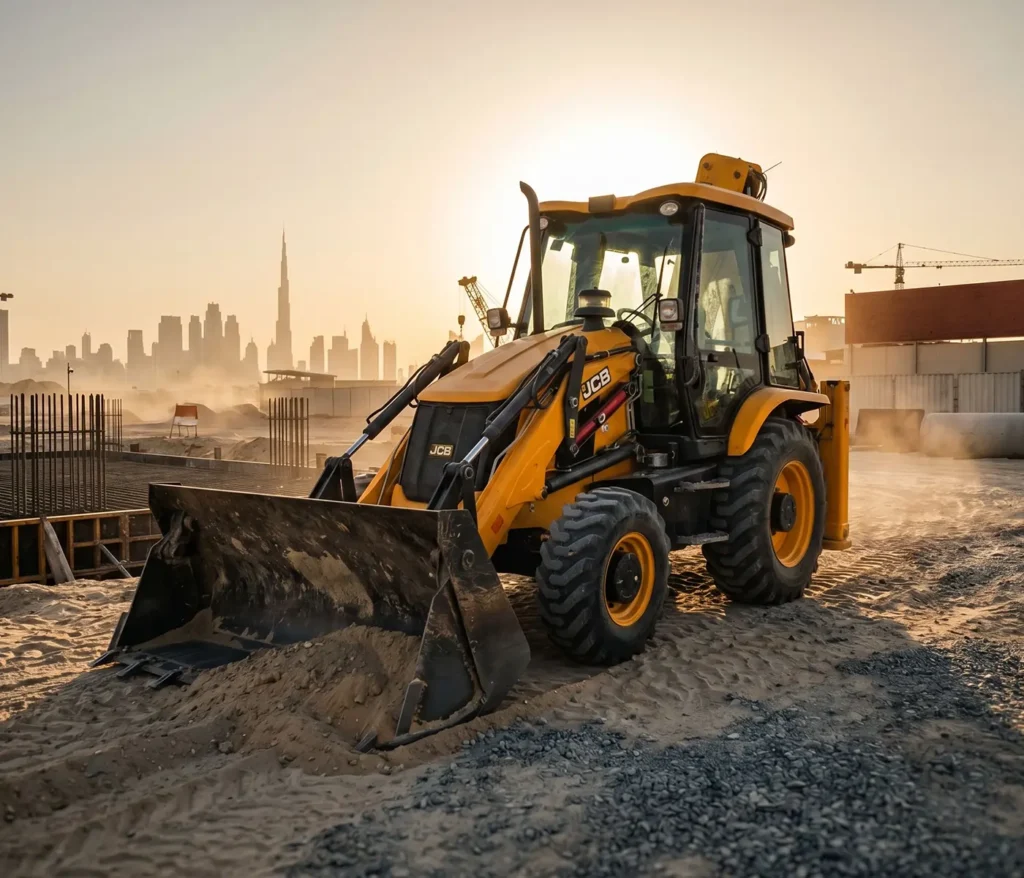
There’s rarely a single “right” loader, there’s a right loader for your specific combination of job, load, terrain, and budget. Working through these five steps in order, rather than starting with price, tends to produce a better long-term decision.
At Dar of Equipment, our team can walk you through our current stock of used loaders for sale, including Komatsu and other established brands, and help match capacity and configuration to your actual operating needs.
Want to Browse Available Used Loaders?
Getting the size and configuration right makes all the difference to how well a loader performs on your site. Our team at Dar of Equipment can talk you through our current stock of used wheel loaders, including Komatsu and other established brands, and help match capacity to your actual workload, not just your budget. Contact us to find the right fit for your business.
Email: info@darofequipment.com
Location: 56–57 Truck Market and Auto Spare Parts, Al Ruwayah, Dubai, UAE
Frequently Asked Questions
It depends on your typical bucket load and terrain, but mid-size wheel loaders are the most common choice for general construction, offering a balance of capacity and manoeuvrability.
Komatsu loaders generally hold their value well due to strong build quality and parts availability, making a well-maintained used Komatsu loader a solid option for many buyers.
There’s no strict limit, but always weigh hours against maintenance history. A loader with higher hours and excellent upkeep can outperform a lower-hour machine that’s been neglected.
Wheel loaders generally offer higher capacity and better performance on open ground, while skid steers suit tighter spaces and more varied attachment work. The right choice depends on your site conditions.
If your work involves more than straight loading (e.g. forks or grapples), buying with compatible attachments can save on separate purchases later.
Signs include the engine and hydraulics working constantly near full capacity, slower cycle times, and faster-than-expected wear on tyres and undercarriage.